

Fast Facts
- CISA added two TP-Link router vulnerabilities (CVE-2023-50224 and CVE-2025-9377) to its KEV list, with evidence of active exploitation, linked to a China-linked botnet, Quad7.
- The CVE-2023-50224 flaw allows an authentication bypass in TP-Link TL-WR841N, exposing stored credentials; CVE-2025-9377 enables remote code execution via command injection in specific models.
- Affected models, including TL-WR841N, TL-WR841ND, and Archer C7 (versions 2.0 and 3.0), are end-of-life and no longer receive security updates—firmware patches were provided only until November 2024.
- US agencies are mandated to implement mitigations by September 24, 2025, to defend against ongoing threats, amid warnings to upgrade hardware for better security—recently, another TP-Link vulnerability was also exploited in the wild.
Problem Explained
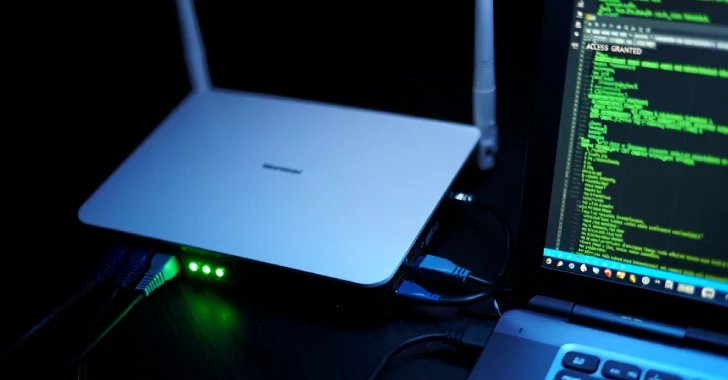
On September 4, 2025, the U.S. Cybersecurity and Infrastructure Security Agency (CISA) revealed that two security flaws in certain TP-Link wireless routers—specifically, the TL-WR841N and Archer C7 models—are actively being exploited in the wild. These vulnerabilities include an authentication bypass (CVE-2023-50224) that could expose stored passwords, and a severe command injection flaw (CVE-2025-9377) risking remote code execution. The affected devices have already reached their end-of-life status, meaning they no longer receive official security updates from TP-Link, which recommends upgrading to newer hardware for better protection. Although there are no publicly confirmed reports of these vulnerabilities being exploited, CISA linked recent in-the-wild activity to a botnet called Quad7, operated by a Chinese-aligned threat group, Storm-0940, using password spray tactics to target vulnerable networks. Federal agencies are being advised to implement mitigations by September 24, 2025, to prevent potential breaches, following a similar warning issued the previous day regarding a different TP-Link vulnerability.
What’s at Stake?
Cyber risks such as the recent exploitation of vulnerabilities in TP-Link routers exemplify how outdated hardware and unpatched systems can serve as conduits for malicious actors, leading to severe consequences including unauthorized access, credential disclosure, and remote code execution. Evidence of active exploitation, notably through botnets like Quad7 operated by state-linked threat groups such as Storm-0940, amplifies the threat landscape, enabling evasion tactics and password spraying attacks that compromise organizational and national infrastructure. These vulnerabilities, some of which have reached end-of-life status with no ongoing security support, underscore the necessity for timely firmware updates and hardware upgrades to mitigate escalating cyber threats, protect sensitive data, and maintain network integrity. Ignoring such risks not only facilitates criminal enterprises and espionage but also threatens economic stability and national security.
Possible Remediation Steps
Timely remediation of vulnerabilities like CVE-2023-50224 and CVE-2025-9377 in TP-Link routers is crucial because attackers actively exploit these flaws to compromise network security, potentially leading to unauthorized access, data breaches, or widespread network disruptions.
Immediate Actions
-
Firmware Update:
Download and install the latest firmware released by TP-Link that addresses these specific CVEs. -
Device Inventory:
Identify all TP-Link routers within your network that may be affected. - Network Segmentation:
Isolate vulnerable devices from sensitive parts of your network until patches are applied.
Preventive Measures
-
Strong Authentication:
Change default passwords and enforce strong, unique credentials for all routers. -
Disable Unnecessary Services:
Turn off remote management or services that are not in use. - Regular Monitoring:
Keep logs and monitor network traffic for unusual activity indicating exploitation attempts.
Long-term Strategies
-
Scheduled Updates:
Establish a routine schedule for firmware and security patch updates. -
Vendor Engagement:
Stay informed through vendor advisories and participate in security forums for early threat detection. - Security Policies:
Develop and enforce robust security policies to ensure consistent safeguarding practices.
Stay Ahead in Cybersecurity
Discover cutting-edge developments in Emerging Tech and industry Insights.
Explore engineering-led approaches to digital security at IEEE Cybersecurity.
Disclaimer: The information provided may not always be accurate or up to date. Please do your own research, as the cybersecurity landscape evolves rapidly. Intended for secondary references purposes only.
Cyberattacks-V1
