
Close Menu
  • Home
  • Cybercrime and Ransomware
  • Emerging Tech
  • Threat Intelligence
  • Expert Insights
  • Careers and Learning
  • Compliance

Subscribe to Updates

Subscribe to our newsletter and never miss our latest news

Subscribe my Newsletter for New Posts & tips Let's stay updated!

What's Hot

Lessons from the Canvas Cyberattack

June 3, 2026

HTTP/2 Bomb exploit causes remote DoS on major servers

June 3, 2026

Cybercriminal phishing tactics: prediction, prioritization, and prevention

June 3, 2026
Facebook X (Twitter) Instagram
The CISO Brief
  • Home
  • Cybercrime and Ransomware
  • Emerging Tech
  • Threat Intelligence
  • Expert Insights
  • Careers and Learning
  • Compliance
Home » Cyber Alert: Increased Threats as U.S.-Iran Conflict Escalates
Uncategorized

Cyber Alert: Increased Threats as U.S.-Iran Conflict Escalates

Staff WriterBy Staff WriterJune 23, 2025No Comments3 Mins Read14 Views
Facebook Twitter Pinterest LinkedIn Tumblr Email
Share
Facebook Twitter LinkedIn Pinterest WhatsApp Email

Essential Insights

  1. DHS Cyber Threat Warning: The Department of Homeland Security cautioned of increased cyber threats from Iran following U.S. military actions against its nuclear facilities, predicting retaliation through low-level cyberattacks.

  2. Targeted Cyber Activities: Iranian threat actors and hacktivists have previously attacked vulnerable U.S. critical infrastructure, including utilities and tech companies, and have ramped up activities in support of the ongoing conflict.

  3. Heightened Risk for Officials: The DHS bulletin highlighted a growing danger to the safety of U.S. government officials and critics of the Iranian regime, alongside an elevated risk of antisemitic violence in the current geopolitical climate.

  4. Increased Vigilance Required: State officials have been briefed on the threat level, urging vigilance and preparedness as cybersecurity experts foresee the potential escalation of Iranian cyberattacks against U.S. targets.

Escalating Cyber Threats Amid Global Conflict

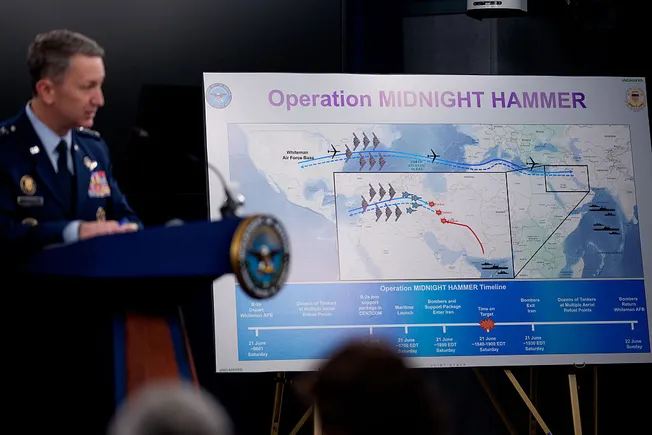
The Department of Homeland Security (DHS) recently raised alarms about increased cyber threats linked to Iran. This warning comes just after U.S. military action against Iranian nuclear sites. Analysts expect Iran’s operatives and supportive hacktivists to retaliate with low-level cyberattacks against U.S. networks. Furthermore, these actions may extend beyond digital arenas, raising concerns about the safety of U.S. officials and critics of the Iranian regime. Individuals in critical zones should stay vigilant as the conflict escalates.

National security experts emphasize the potential for these cyber activities to target poorly secured infrastructures, such as water utilities and technology firms. With hundreds of pro-Iranian groups already engaged in cyberattacks directed at Israel, the risk for the U.S. becomes more pronounced. As an example, experts have recorded dozens of cyber incidents against Israeli entities since mid-2023. DHS and FBI officials have briefed state authorities, helping them prepare for these elevated threats. It is essential for local officials and the public to remain alert, as cyber warfare can quickly blur the lines between physical and virtual safety.

Understanding the Cyber Domain in Times of Conflict

Throughout history, conflicts have migrated into new domains, and cyberspace is no exception. The recent escalation in tensions highlights the importance of robust cybersecurity measures. Hackers affiliated with groups like the Iranian Revolutionary Guard Corps have targeted vulnerable infrastructure in the past, exploiting weak passwords and poorly secured systems. Therefore, these insights reinforce the necessity for proactive cybersecurity strategies.

Organizations must collaborate extensively to share threat information and implement strong defenses. As DHS urges local governments to be proactive, all individuals must recognize their roles in cybersecurity. Digital safety is now a shared responsibility. In this era of heightened risk, taking protective measures can safeguard our communities. The integration of rigorous security protocols is vital to ensuring more than just data integrity; it’s about protecting lives and resilience in an increasingly interconnected world.

Stay Ahead with the Latest Tech Trends

Stay informed on the revolutionary breakthroughs in Quantum Computing research.

Explore past and present digital transformations on the Internet Archive.

Cybersecurity-V1

Share. Facebook Twitter Pinterest LinkedIn Tumblr Email
Previous ArticleCanada: Salt Typhoon Breached Telecom Firm via Cisco Vulnerability
Next Article Revil Operatives Freed: A New Chapter in Cyber Crime
Avatar photo
Staff Writer
  • Website

John Marcelli is a staff writer for the CISO Brief, with a passion for exploring and writing about the ever-evolving world of technology. From emerging trends to in-depth reviews of the latest gadgets, John stays at the forefront of innovation, delivering engaging content that informs and inspires readers. When he's not writing, he enjoys experimenting with new tech tools and diving into the digital landscape.

Related Posts

Critical RCE Vulnerability Allows Any Authenticated User to Execute Arbitrary Code

May 28, 2026

Critical Breach: Internal Repositories Compromised via Malicious Nx Console Extension

May 21, 2026

Grafana GitHub Breach: TanStack npm Attack Exposes Source Code

May 20, 2026
Leave A Reply Cancel Reply

Latest Posts

Lessons from the Canvas Cyberattack

June 3, 2026

Mustang Panda Deploys PlugX RAT via Multi-Stage LNK and PowerShell Attack Chain

June 2, 2026

Anthropic extends Project Glasswing Claude Mythos preview to 150 new organizations

June 2, 2026

Urgent: Two-Year-Old Oracle WebLogic Vulnerability Under Active Attack

June 2, 2026
Don't Miss

Critical RCE Vulnerability Allows Any Authenticated User to Execute Arbitrary Code

By Staff WriterMay 28, 2026

Top Highlights A critical vulnerability in Gogs allows authenticated users to execute arbitrary code via…

Critical Breach: Internal Repositories Compromised via Malicious Nx Console Extension

May 21, 2026

Grafana GitHub Breach: TanStack npm Attack Exposes Source Code

May 20, 2026

Subscribe to Updates

Subscribe to our newsletter and never miss our latest news

Subscribe my Newsletter for New Posts & tips Let's stay updated!

Recent Posts

  • Lessons from the Canvas Cyberattack
  • HTTP/2 Bomb exploit causes remote DoS on major servers
  • Cybercriminal phishing tactics: prediction, prioritization, and prevention
  • Singapore Crafts National AI Governance Strategy
  • Secure the Future: Protecting Code, Agents, and Models Throughout Development
About Us
About Us

Welcome to The CISO Brief, your trusted source for the latest news, expert insights, and developments in the cybersecurity world.

In today’s rapidly evolving digital landscape, staying informed about cyber threats, innovations, and industry trends is critical for professionals and organizations alike. At The CISO Brief, we are committed to providing timely, accurate, and insightful content that helps security leaders navigate the complexities of cybersecurity.

Facebook X (Twitter) Pinterest YouTube WhatsApp
Our Picks

Lessons from the Canvas Cyberattack

June 3, 2026

HTTP/2 Bomb exploit causes remote DoS on major servers

June 3, 2026

Cybercriminal phishing tactics: prediction, prioritization, and prevention

June 3, 2026
Most Popular

Protecting MCP Security: Defeating Prompt Injection & Tool Poisoning

January 30, 202632 Views

Unlock the Power of Free WormGPT: Harnessing DeepSeek, Gemini, and Kimi-K2 AI Models

November 27, 202530 Views

The New Face of DDoS is Impacted by AI

August 4, 202528 Views

Archives

  • June 2026
  • May 2026
  • April 2026
  • March 2026
  • February 2026
  • January 2026
  • December 2025
  • November 2025
  • October 2025
  • September 2025
  • August 2025
  • July 2025
  • June 2025

Categories

  • Compliance
  • Cyber Updates
  • Cybercrime and Ransomware
  • Editor's pick
  • Emerging Tech
  • Events
  • Featured
  • Insights
  • Most Read
  • Threat Intelligence
  • Uncategorized
© 2026 thecisobrief. Designed by thecisobrief.
  • Home
  • About Us
  • Advertise with Us
  • Contact Us
  • DMCA
  • Privacy Policy
  • Terms & Conditions

Type above and press Enter to search. Press Esc to cancel.