
Close Menu
  • Home
  • Cybercrime and Ransomware
  • Emerging Tech
  • Threat Intelligence
  • Expert Insights
  • Careers and Learning
  • Compliance

Subscribe to Updates

Subscribe to our newsletter and never miss our latest news

Subscribe my Newsletter for New Posts & tips Let's stay updated!

What's Hot

Japan Faces Surge in Data Leaks Due to API Abuse and Attacks

October 8, 2026

New scripts reveal AI agent attack reconstruction techniques

October 8, 2026

UAC-0099 Targets Ukrainian Officials with ASHVEIN RAT, Command Hiding

October 8, 2026
Facebook X (Twitter) Instagram
The CISO Brief
  • Home
  • Cybercrime and Ransomware
  • Emerging Tech
  • Threat Intelligence
  • Expert Insights
  • Careers and Learning
  • Compliance
Home » Japan Faces Surge in Data Leaks Due to API Abuse and Attacks
Uncategorized

Japan Faces Surge in Data Leaks Due to API Abuse and Attacks

Staff WriterBy Staff WriterOctober 8, 2026No Comments4 Mins Read1 Views
Facebook Twitter Pinterest LinkedIn Tumblr Email
Share
Facebook Twitter LinkedIn Pinterest WhatsApp Email

Summary Points

  1. Attackers exploited API vulnerabilities and known software flaws, especially in Metabase, to leak large volumes of personal data across Japanese organizations.
  2. The methods included analyzing app API endpoints, stealing API keys, and exploiting flaws like SQL injection in Metabase’s CVE-2026-72898.
  3. Despite fixes, attacks continued into late 2026, with indicators such as suspicious IP activity, abnormal API requests, and unauthorized admin access.
  4. No attribution has been made, but high-volume, targeted attacks suggest widespread exploitation of basic vulnerabilities and poor system security practices.

Japan Experiences Surge in Web Data Leaks Due to API Exploits and Software Flaws

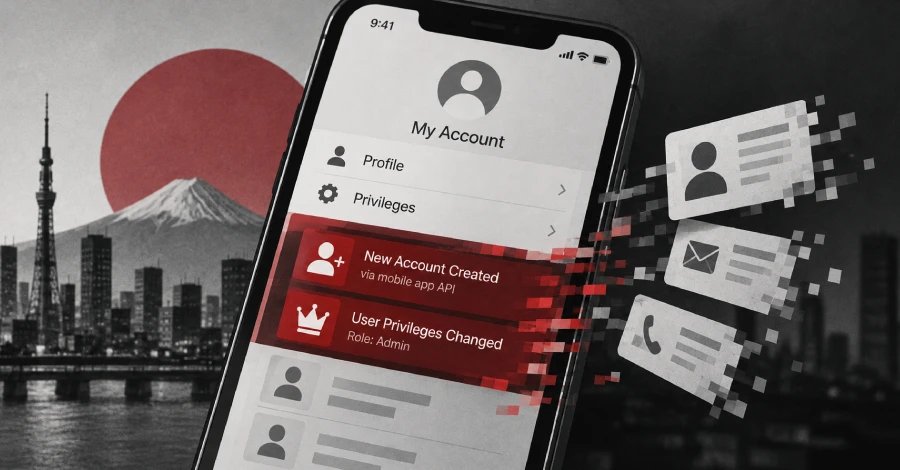
Japan is facing a significant rise in data leaks caused by malicious attacks on web systems. According to the JPCERT Coordination Center, hackers are exploiting weaknesses in mobile app APIs and known software vulnerabilities. These breaches impact not only consumer applications but also internal business tools and management systems, leading to personal data leaks in some cases. The attacks are often targeted and happen in quick succession, especially since September 2026. Macnica, a cybersecurity research firm, reports over 119 incidents this year involving stolen or leaked personal data, a sharp increase compared to previous years. Recent victims include online shops, member services, libraries, and even a train booking system. This trend suggests that attackers are broadening their scope and intensifying their efforts to access sensitive information across various platforms.

Transitioning from individual cases to the bigger picture, these breaches highlight how hackers are using different techniques to invade systems. They analyze publicly available apps, steal API keys, and exploit flaws like excessive privileges or insecure session management. Some attacks involve scanning each target for common vulnerabilities, rather than relying on a single known flaw. Notably, a common method includes attacking weak admin passwords and exploiting known software bugs. This widespread activity indicates a high level of adaptability among cybercriminals, making it critical for organizations to tighten their security measures and keep software updated. The increase in breaches underscores the importance of enhanced security practices in safeguarding personal information in Japan’s increasingly digital landscape.

Exploiting Software Flaws and Strengthening Defenses

One of the notable vulnerabilities exploited by attackers is a flaw in Metabase, an open-source business intelligence tool. Known as CVE-2026-72898, this SQL injection flaw enables hackers to access database information without needing an account. It was exploited as a zero-day attack against Metabase’s cloud service and is considered extremely dangerous, scoring a perfect 10.0 on the CVSS scale. After the flaw was discovered, Metabase issued security updates urging users to upgrade to safer versions. Despite these efforts, attacks continued into early September, indicating that not everyone applied the patch promptly. For organizations unable to upgrade immediately, a temporary workaround involves blocking specific API endpoints. Operators are advised to examine server logs for signs of attacks, such as unusual requests or error responses, and to take comprehensive steps like revoking sessions, reviewing API keys, and auditing database access. These measures are crucial for minimizing damage and preventing future breaches, especially as attackers continue exploiting known vulnerabilities in widely used tools.

While the exact identity of the hackers remains unknown, evidence points to systematic probing of web systems. Attackers often scan for APIs with weaknesses, such as excessive data exposure or insufficient access controls. They also exploit poor password security and known software bugs, making it essential for organizations to implement strict security policies. Regular updates, vigilant monitoring, and adopting best practices recommended by cybersecurity authorities are vital steps to defend against these evolving threats. As digital operations become more ingrained in daily life and business, ensuring the integrity of web systems will remain a top priority to protect individuals’ privacy and organizational data alike.

Continue Your Tech Journey

Explore the future of technology with our detailed insights on Artificial Intelligence.

Explore past and present digital transformations on the Internet Archive.

DataProtection-V1

Share. Facebook Twitter Pinterest LinkedIn Tumblr Email
Previous ArticleNew scripts reveal AI agent attack reconstruction techniques
Avatar photo
Staff Writer
  • Website

John Marcelli is a staff writer for the CISO Brief, with a passion for exploring and writing about the ever-evolving world of technology. From emerging trends to in-depth reviews of the latest gadgets, John stays at the forefront of innovation, delivering engaging content that informs and inspires readers. When he's not writing, he enjoys experimenting with new tech tools and diving into the digital landscape.

Related Posts

Urgent: FortiBleed Still Active After Leaking 86,644 Device Credentials

October 7, 2026

FBI Fires Contractor as Patch Failure Sparks Breach Response

October 6, 2026

Denmark: 8.8 Million People’s CPR Data Compromised in Breach

October 6, 2026

Comments are closed.

Latest Posts

Malicious Servers Divide Instructions to Force AI Agents to Leak Secrets

October 4, 2026

DeadLock Ransomware Escalates Threats by Exploiting Polygon Smart Contracts

October 1, 2026

Kimwolf v7 Android Botnet: Cloaking DDoS Traffic as Legitimate Browsing

September 28, 2026

Attackers Exploit SharePoint Authentication Bypass Post-PoC Release

September 25, 2026
Don't Miss

Urgent: FortiBleed Still Active After Leaking 86,644 Device Credentials

By Staff WriterOctober 7, 2026

Quick Takeaways The active FortiBleed campaign exploits compromised credentials and legacy hashing to target internet-facing…

FBI Fires Contractor as Patch Failure Sparks Breach Response

October 6, 2026

Denmark: 8.8 Million People’s CPR Data Compromised in Breach

October 6, 2026

Subscribe to Updates

Subscribe to our newsletter and never miss our latest news

Subscribe my Newsletter for New Posts & tips Let's stay updated!

Recent Posts

  • Japan Faces Surge in Data Leaks Due to API Abuse and Attacks
  • New scripts reveal AI agent attack reconstruction techniques
  • UAC-0099 Targets Ukrainian Officials with ASHVEIN RAT, Command Hiding
  • AI evasion tactics enable malware to bypass detection systems
  • Malicious Firefox extensions steal wallet recovery phrases
About Us
About Us

Welcome to The CISO Brief, your trusted source for the latest news, expert insights, and developments in the cybersecurity world.

In today’s rapidly evolving digital landscape, staying informed about cyber threats, innovations, and industry trends is critical for professionals and organizations alike. At The CISO Brief, we are committed to providing timely, accurate, and insightful content that helps security leaders navigate the complexities of cybersecurity.

Facebook X (Twitter) Pinterest YouTube WhatsApp
Our Picks

Japan Faces Surge in Data Leaks Due to API Abuse and Attacks

October 8, 2026

New scripts reveal AI agent attack reconstruction techniques

October 8, 2026

UAC-0099 Targets Ukrainian Officials with ASHVEIN RAT, Command Hiding

October 8, 2026
Most Popular

Gefährliche Angriffe: Wie Cyberkriminelle Ihre Identität angreifen

January 29, 2026264 Views

CISA Alerts: Critical Vulnerability in Splunk Enterprise Under Active Attack

June 19, 2026214 Views

Salesforce Disables Klue App After Data Breach from Token Abuse

June 19, 2026210 Views

Archives

  • October 2026
  • September 2026
  • August 2026
  • July 2026
  • June 2026
  • May 2026
  • April 2026
  • March 2026
  • February 2026
  • January 2026
  • December 2025
  • November 2025
  • October 2025
  • September 2025
  • August 2025
  • July 2025
  • June 2025

Categories

  • Compliance
  • Cyber Updates
  • Cybercrime and Ransomware
  • Editor's pick
  • Emerging Tech
  • Events
  • Featured
  • Insights
  • Most Read
  • Threat Intelligence
  • Uncategorized
© 2026 thecisobrief. Designed by thecisobrief.
  • Home
  • About Us
  • Advertise with Us
  • Contact Us
  • DMCA
  • Privacy Policy
  • Terms & Conditions

Type above and press Enter to search. Press Esc to cancel.