

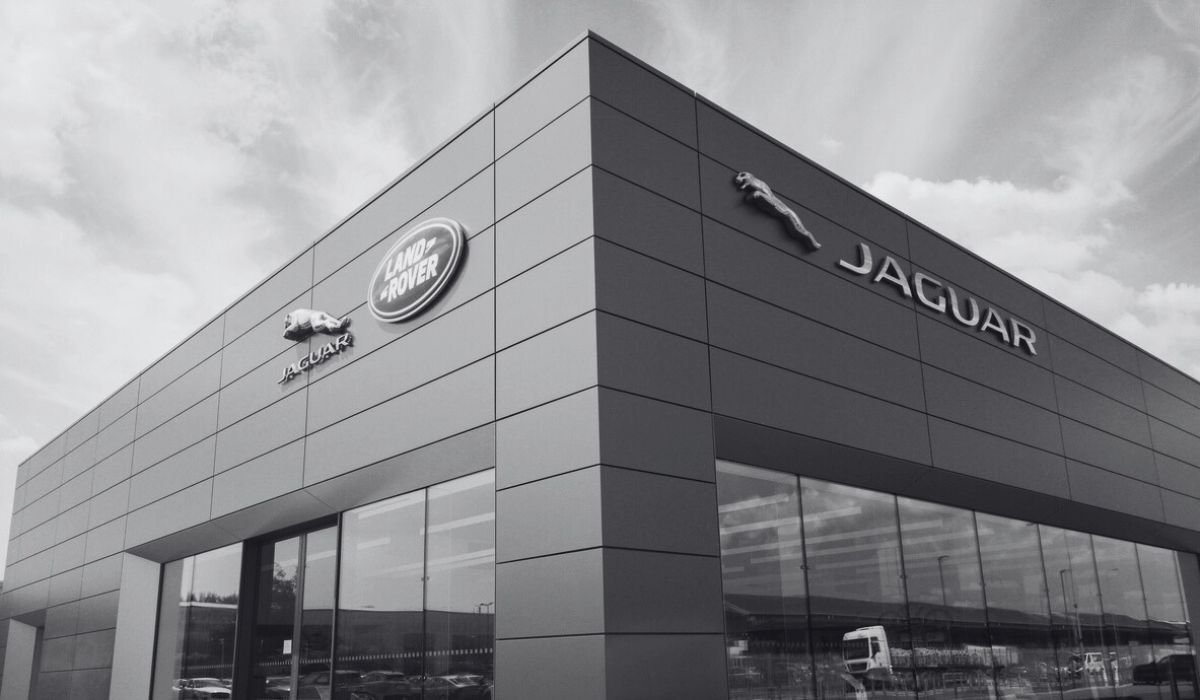
Essential Insights
- Scott Schober highlights a recent significant hack on Jaguar Land Rover, leading to a production halt, indicating the tangible impact of cyberattacks on automotive manufacturing.
- The incident underscores the increasing sophistication and frequency of cyber threats targeting critical industries, emphasizing the urgent need for robust cybersecurity measures.
- Schober discusses how such breaches reveal vulnerabilities in connected and autonomous vehicle systems, posing broader safety and security risks.
- The event serves as a wake-up call for companies to prioritize cybersecurity investments and strategies to prevent future disruptions and protect their assets.
What’s the Problem?
In a recent podcast interview, cybersecurity expert Scott Schober discussed a significant security breach involving Jaguar Land Rover, which resulted in a halt to their vehicle production lines. Schober explained that hackers exploited vulnerabilities in the company’s systems, gaining unauthorized access and disrupting their operations. This incident highlights the growing sophistication and frequency of cyberattacks targeting major industries, especially those involved in automobile manufacturing and technology. It underscores how coordinated cybercriminal activities can cause real-world economic impacts, affecting both the company’s reputation and the supply chain. The report, presented by cybersecurity authority Schober, serves as a warning about the increasing risks modern corporations face from cyber adversaries who are continually evolving their tactics to breach defenses and cause chaos in critical infrastructures.
Risks Involved
Recent discussions, including insights from cybersecurity expert Scott Schober in a podcast interview with David Braue of Cybercrime Magazine, highlight the escalating cyber risks faced by the automotive industry, exemplified by the Jaguar Land Rover hack that resulted in a halted production line. This incident underscores the increasing sophistication and prevalence of cyber threats targeting critical infrastructure and manufacturing systems, revealing vulnerabilities that can cause substantial operational disruptions, financial losses, and reputational damage. It also reflects the broader hacking landscape characterized by growing threat actors leveraging cyber intrusions to exploit interconnected systems, emphasizing the urgent need for robust cybersecurity measures across industries to mitigate the severe impacts of such breaches on both corporate stability and consumer trust.
Possible Next Steps
The disruption faced by Jaguar Land Rover following the hacking incident underscores the critical importance of swift and effective remediation to minimize operational downtime, protect sensitive data, and restore customer trust.
Containment Measures
- Isolate affected systems to prevent further spread.
- Disable compromised network access points.
Investigation & Diagnosis
- Conduct thorough forensic analysis to identify breach sources.
- Assess scope and impact of the intrusion.
Restoration & Recovery
- Remove malicious software and vulnerabilities.
- Restore systems from secure backups.
Security Enhancement
- Patch identified vulnerabilities promptly.
- Implement advanced threat detection systems.
Communication & Coordination
- Inform stakeholders about the breach and response actions.
- Coordinate with cybersecurity agencies and partners.
Preventive Strategies
- Regular security audits and testing.
- Staff training on cyber hygiene and phishing avoidance.
Explore More Security Insights
Explore career growth and education via Careers & Learning, or dive into Compliance essentials.
Explore engineering-led approaches to digital security at IEEE Cybersecurity.
Disclaimer: The information provided may not always be accurate or up to date. Please do your own research, as the cybersecurity landscape evolves rapidly. Intended for secondary references purposes only.
Cyberattacks-V1
